Top-Rated Southern Tanzania Safari Tours – Best Wildlife Experiences in Nyerere & Ruaha

Discover the best southern safari tours in Tanzania: Ruaha, Selous (Nyerere), Mikumi, Udzungwa Mountains. Fewer crowds, abundant wildlife (elephants, lions, wild dogs), boat safaris, walking adventures. Book with Jaynevy Tours.

Tanzania is famous worldwide for its breathtaking wildlife and iconic northern parks like the Serengeti and Ngorongoro Crater. But for travelers seeking a truly unique, less crowded experience, the southern safari parks of Tanzania offer an adventure that’s equally spectacular, yet far more intimate. From the wild expanses of Ruaha National Park to the watery landscapes of Selous Game Reserve, the southern region is a haven for wildlife lovers, photographers, and anyone eager to witness Africa’s natural beauty in its purest form.

Planning a southern safari might feel overwhelming at first—but that’s where we come in. This guide will walk you step by step through the best parks, itineraries, and practical tips to make your southern Tanzania safari unforgettable.

Top-Rated Southern Tanzania Safari Tours

Top-Rated Southern Tanzania Safari Tours

When planning a Tanzania Southern Safari, it's important to choose a reputable tour operator who can help you plan your itinerary and provide experienced guides to ensure a safe and enjoyable experience. It's also essential to obtain the necessary visas and vaccinations before traveling to Tanzania.

Why Choose a Southern Safari in Tanzania?

If you’ve ever dreamed of a safari experience that’s off the beaten path, southern Tanzania is your ideal destination. Here’s why:

  1. Fewer Crowds, More Authentic Experiences
    Unlike the northern parks, which attract large numbers of tourists, the southern parks are less visited. This means more intimate wildlife encounters, less competition for photography spots, and a quieter, more immersive experience in nature.
  2. Diverse and Abundant Wildlife
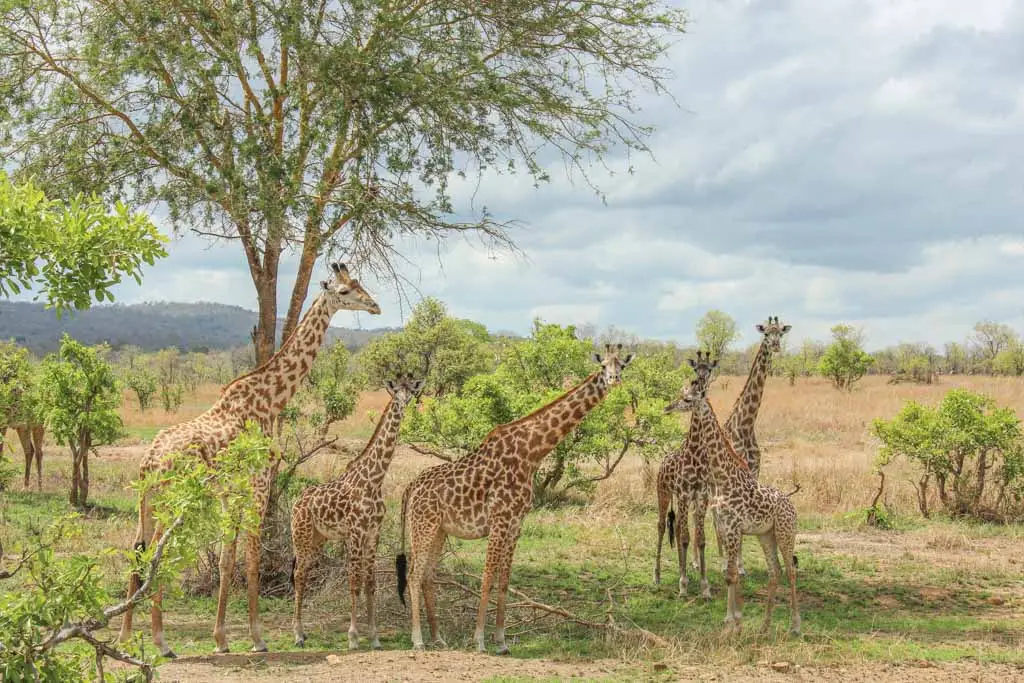
    Southern Tanzania is home to a staggering variety of species. In Ruaha, you’ll find large herds of elephants, prides of lions, and elusive leopards. Selous is famous for its crocodile- and hippo-filled rivers, while Mikumi offers the chance to spot zebras, giraffes, and cheetahs in a scenic savannah setting. These parks also host rare and endangered species, making them a paradise for wildlife enthusiasts.
  3. Stunning Landscapes
    From rolling savannahs and rugged hills to tranquil rivers and dense forests, southern Tanzania offers a dramatic and varied landscape. Udzungwa Mountains and Kitulo Plateau add trekking opportunities to your safari, giving you the chance to combine wildlife viewing with light adventure and hiking experiences.
  4. Cultural Encounters
    The southern region isn’t just about wildlife. It’s also home to fascinating local communities, such as the Maasai and Hehe tribes. Visiting these communities allows you to learn about traditional lifestyles, crafts, and ceremonies, adding a rich cultural layer to your safari.
  5. Flexible Safari Options
    Southern Tanzania caters to all types of travelers. Whether you want a short 3-day safari from Dar es Salaam, a classic 5-day wildlife adventure, or a 7-day immersive safari covering multiple parks, the region provides itineraries for every schedule, budget, and travel style.

Pro Tip: For the best experience, plan your visit during the dry season (June to October), when wildlife is easier to spot near rivers and waterholes. This not only maximizes your viewing opportunities but also makes travel between parks smoother and more comfortable.

Top Southern Safari Destinations

Southern Tanzania is a treasure trove of diverse landscapes, abundant wildlife, and unforgettable safari experiences. Whether you’re after classic savannah sightings or riverine adventures, these parks deliver. Let’s explore the top destinations you should include on your southern safari journey.

Ruaha National Park

Ruaha National Park is the crown jewel of southern Tanzania. Covering over 20,000 square kilometers, it’s the country’s largest park and one of Africa’s hidden wildlife gems. Known for its vast landscapes and high concentration of elephants, Ruaha offers an authentic safari experience away from the crowds.

Wildlife Highlights: Lions, leopards, African wild dogs, giraffes, and large herds of elephants. Birdwatchers will also be delighted with over 570 recorded species, including rare raptors and colorful savannah birds.

Best Time to Visit: June to October, during the dry season, when wildlife congregates around water sources.

Safari Tips:

  • Hire a knowledgeable guide—they can help you spot elusive predators.
  • Plan 2–3 days to explore the park fully.
  • Bring binoculars and a camera with a telephoto lens for close-up wildlife shots.
Ruaha National Park

Selous Game Reserve (Nyerere National Park)

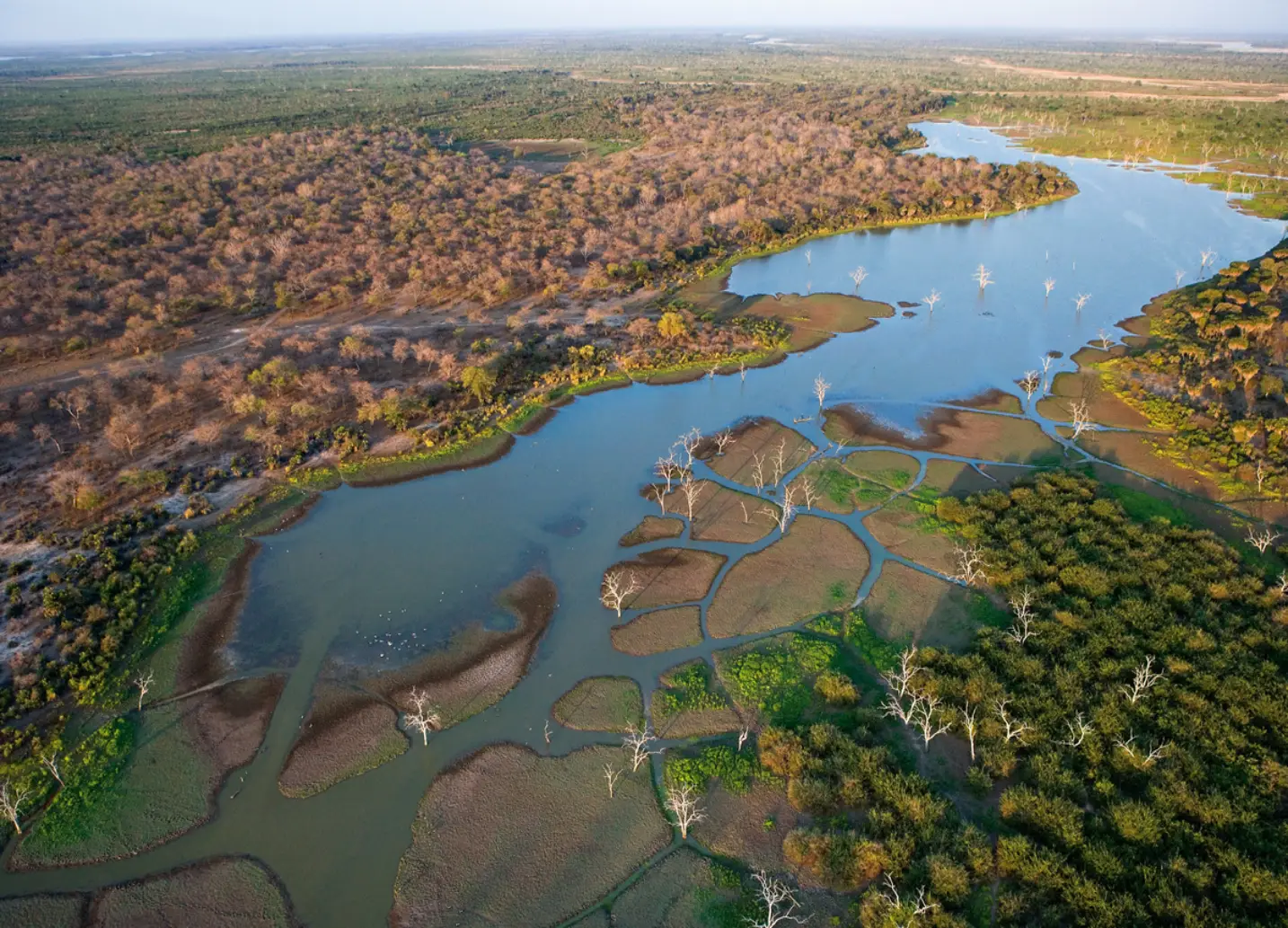
Selous is a UNESCO World Heritage site and Tanzania’s largest protected wildlife reserve, offering a mix of open plains, forests, and the winding Rufiji River. Unlike the northern parks, Selous feels untouched and remote, making every sighting feel extraordinary.

Unique Experiences:

  • Boat Safaris: Glide along the Rufiji River to spot hippos, crocodiles, and elephants coming to drink.
  • Walking Safaris: Explore the reserve on foot for an up-close nature experience.
  • Photographic Safaris: With fewer tourists, photographers get uninterrupted views of wildlife in their natural habitat.

Wildlife Highlights: African wild dogs, lions, elephants, hippos, crocodiles, and a variety of bird species.

Best Time to Visit: June to October. Dry season makes wildlife easier to spot and travel between lodges more accessible.

Selous Game Reserve (Nyerere National Park)

Mikumi National Park

Mikumi National Park is often called “Little Serengeti” due to its wide-open savannahs and dense wildlife population. It’s an ideal park for travelers looking for a shorter safari experience or a convenient stopover from Dar es Salaam.

Wildlife Highlights: Zebras, wildebeests, giraffes, lions, elephants, and a variety of antelope species. Mikumi is also excellent for birdwatching, with hundreds of species including lilac-breasted rollers and colorful kingfishers.

Safari Tips:

  • Ideal for a 1–2 day safari if you’re short on time.
  • Combine with Udzungwa Mountains or Kitulo Plateau for a mix of wildlife and hiking.
  • Family-friendly accommodations are available, making it suitable for travelers with children.
Mikumi National Park

Other Southern Gems: Udzungwa Mountains & Kitulo Plateau

While not traditional game parks, these southern gems are must-visits for adventure and nature enthusiasts:

  • Udzungwa Mountains National Park: Known as the “Galapagos of Africa,” this park is famous for endemic species, lush forests, and scenic hiking trails. Trekking here adds a unique dimension to your safari experience.
  • Kitulo Plateau National Park: Dubbed the “Garden of God,” it’s renowned for its rare flora, wildflowers, and bird species. Perfect for travelers who enjoy hiking, photography, and botany.

Combining these parks with Ruaha, Selous, or Mikumi gives you a well-rounded southern safari that mixes wildlife spotting, adventure, and natural beauty.

Pro Tip: Plan at least 5–7 days if you want to visit multiple southern parks. This allows time for travel between locations, wildlife spotting, and optional cultural or trekking excursions without feeling rushed.

Choosing the Right Southern Safari Tour

Selecting the perfect safari package can make or break your southern Tanzania adventure. With multiple parks, tour styles, and budget options, it’s important to know what to look for. Here’s a practical guide to help you choose confidently.

1. Safari Duration

Southern Tanzania offers flexible itineraries to suit every traveler:

  • Short Safari (3–4 days): Ideal for travelers with limited time. Usually covers Mikumi and Udzungwa Mountains.
  • Classic Safari (5–6 days): Combines Ruaha or Selous with optional day trips to surrounding attractions.
  • Extended Safari (7–10 days): Immersive experience covering multiple parks, including Ruaha, Selous, Mikumi, and southern highlands.

Tip: Longer safaris allow more relaxed wildlife viewing and better chances to spot elusive animals.

2. Private vs. Group Safaris

  • Private Safaris: Perfect for families, couples, or photographers who want a tailored experience. You control pace, stops, and accommodations.
  • Group Safaris: Budget-friendly and social, great for meeting fellow travelers. Group sizes are usually small in southern Tanzania, so crowds are minimal.

Pro Tip: Even group safaris in the south feel intimate compared to northern parks due to lower visitor numbers.

3. Guided vs. Self-Drive Safaris

  • Guided Safaris: Recommended for first-timers or those seeking expert wildlife spotting. Knowledgeable guides know the best animal routes, local tips, and safety measures.
  • Self-Drive Safaris: For experienced travelers who prefer independence. Roads can be challenging, and guidance is helpful for remote areas like Ruaha and Selous.

Tip: Most southern safaris are best enjoyed with an experienced guide to maximize wildlife sightings.

Tips for a Successful Southern Safari in Tanzania

Even with the right tour, preparation is key. Here’s how to make your safari smooth, safe, and unforgettable.

1. Best Time to Visit

  • Dry Season (June–October): Wildlife congregates around rivers, roads are easier to navigate, and skies are clear for photography.
  • Wet Season (November–May): Parks are lush and green, ideal for birdwatching and fewer tourists, but roads may be muddy.

2. Essential Packing Tips

  • Lightweight, breathable clothing in neutral colors.
  • Warm layers for early mornings and evenings.
  • Comfortable hiking shoes and sandals.
  • Hat, sunglasses, and sunscreen for sun protection.
  • Binoculars and a camera with telephoto lens.
  • Insect repellent and malaria prophylaxis (consult your doctor).

3. Health & Safety Tips

  • Carry a small first aid kit and prescription medications.
  • Stay hydrated—southern parks can be hot and dry.
  • Follow guides’ instructions on approaching wildlife—safety is key.
  • Vaccinations: Yellow fever (required for some travelers), typhoid, and routine vaccines recommended.

4. Photography & Wildlife Etiquette

  • Keep a respectful distance from animals.
  • Avoid loud noises that may disturb wildlife.
  • Use silent mode on cameras when possible.
  • Sunrise and sunset provide the best lighting for wildlife photos.

5. Booking Tips

  • Book in advance, especially for Ruaha and Selous lodges—they fill up quickly during peak season.
  • Verify that your tour includes park fees, accommodation, meals, and guide services.
  • Consider eco-friendly operators who support local communities and conservation.

Pro Tip: A well-planned safari combines logistics, comfort, and flexibility. Let your guide tailor each day based on wildlife movement for the best experience.

Why Southern Tanzania Should Be Your Next Safari Destination

When it comes to African safaris, southern Tanzania is a hidden gem that offers an experience unlike any other. While northern parks like the Serengeti are famous, the south gives you authentic wildlife encounters, untouched landscapes, and a true sense of adventure. Here’s why it should top your travel list:

  1. Unmatched Wildlife Encounters
    From Ruaha’s large elephant herds and elusive leopards to Selous’ crocodile- and hippo-filled rivers, the southern parks provide incredible opportunities to see Africa’s Big Five and rare species. Less crowded parks mean longer, more intimate wildlife viewing, giving photographers and nature lovers plenty of time to capture every moment.
  2. Off-the-Beaten-Path Adventure
    Southern Tanzania offers a quiet, immersive safari experience away from tourist crowds. Vast savannahs, winding rivers, and forested mountains make every game drive feel like a private expedition. Adventure seekers can combine game drives with hiking in the Udzungwa Mountains or exploring the Kitulo Plateau, adding variety to your safari.
  3. Rich Cultural Experiences
    Visiting local communities such as the Maasai or Hehe adds a cultural layer to your safari. Learn traditional customs, see handmade crafts, or attend a village ceremony. These encounters make your trip more meaningful while supporting local communities and conservation efforts.
  4. Flexible Safari Options for Every Traveler
    Southern Tanzania caters to all travel styles: Short 3-day tours for quick wildlife getaways. Classic 5-day safaris for full park experiences. Extended 7–10 day itineraries for those wanting a comprehensive adventure. No matter your schedule or interests, there’s a tailored itinerary to make your safari seamless, safe, and unforgettable.

Book Your Southern Safari Today

Ready to experience the best southern safari tours in Tanzania? Our expert team will help you plan the perfect adventure tailored to your preferences, schedule, and budget. From selecting the right parks to arranging comfortable lodges and knowledgeable guides, we handle all the details so you can focus on creating lifelong memories.

Why Choose Us:

  • Experienced guides with expert knowledge of southern Tanzania parks.
  • Flexible itineraries tailored to your interests.
  • Support for eco-friendly tourism and local communities.
  • Full-service packages including transport, meals, park fees, and accommodations.

Don’t wait—the adventure of a lifetime is just a booking away. Contact us now to reserve your southern Tanzania safari and immerse yourself in unforgettable wildlife, breathtaking landscapes, and authentic cultural experiences.

Pro Tip: Early bookings secure the best lodges and guides, especially during the peak dry season from June to October.

You can directly Book your Mikumi National Park tour via email at jaynevytours@gmail.com or via WhatsApp at +255 678 992 599

Message us