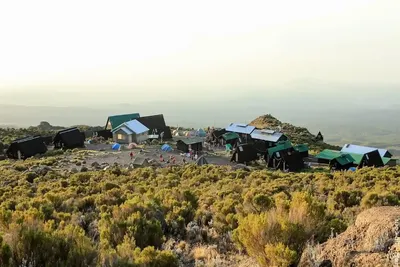
5 days Marangu route Kilimanjaro Trekking Tour Package
The 5 days Marangu route Kilimanjaro Trekking Tour Package is the most.......

Discover the best Kilimanjaro climbing tour Packages for 2026 and 2027 from Jaynevy Tours, offering a range of options to suit every traveler. Whether you’re seeking affordable group treks or luxury packages with personalized guides, we have carefully curated itineraries to ensure a safe, enjoyable, and unforgettable adventure. Our tours provide transparent pricing and cost details, helping you plan with confidence. From classic routes like Machame and Lemosho to less-traveled paths, each trek balances challenging climbs with proper acclimatization. Enjoy comfortable accommodations, expert support, and essential gear guidance throughout your journey. Explore the beauty of Kilimanjaro, reach the summit, and create memories that last a lifetime—without any hidden surprises in cost or quality.
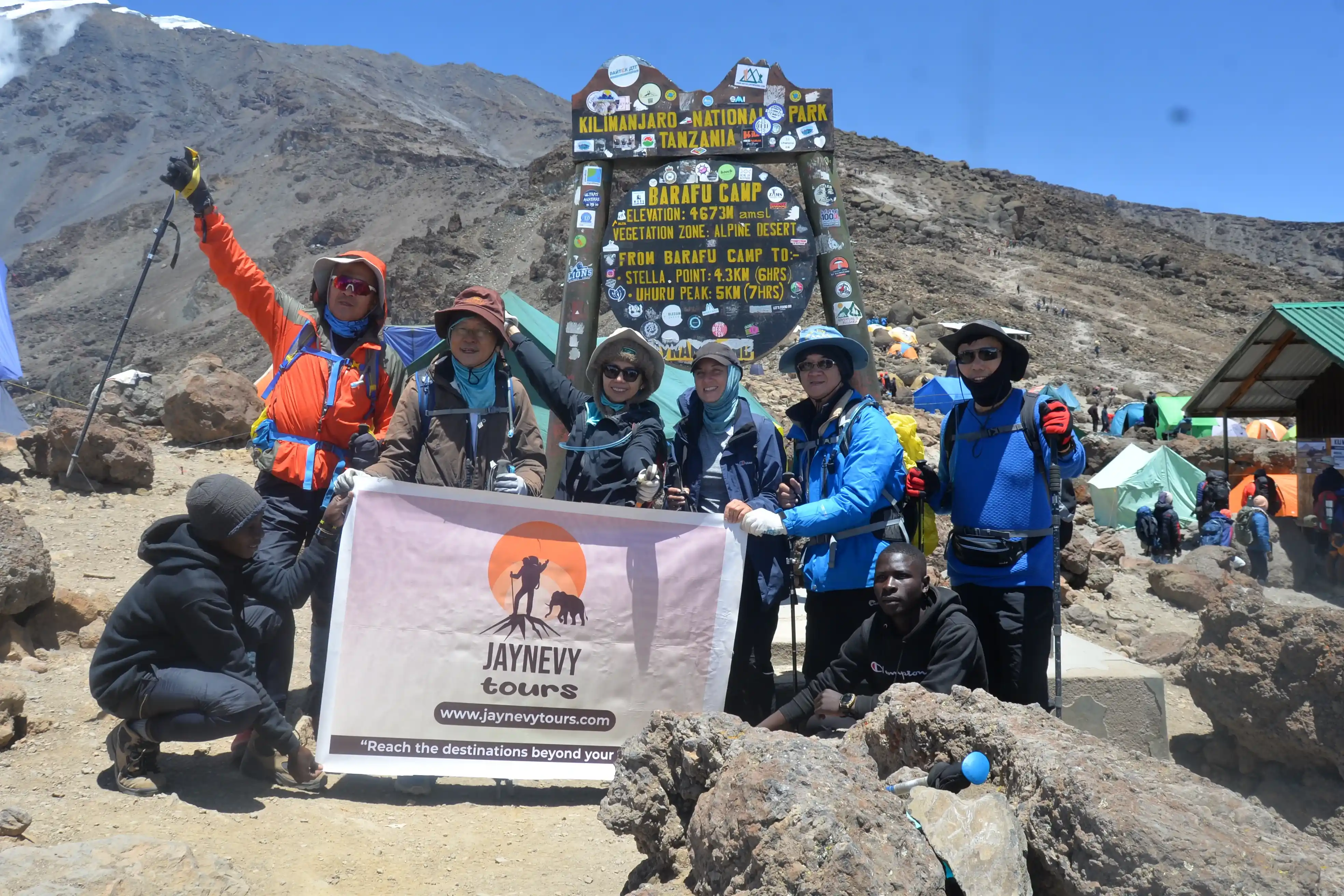
The Mount Kilimanjaro climb is special because it is the highest mountain in Africa and the tallest free-standing mountain in the world. Rising to 5,895 meters (19,341 feet), it offers trekkers the rare opportunity to stand on the roof of Africa without needing technical climbing skills. Unlike many major peaks, Kilimanjaro is a trekking mountain, making it accessible to determined beginners as well as experienced hikers.
One of the most unique aspects of the Mount Kilimanjaro climb is the journey through five distinct climate zones. You begin in lush rainforest, continue through moorland and alpine desert, and finally reach the icy Arctic summit at Uhuru Peak. Few places on Earth allow you to walk from tropical forest to glaciers in just a few days.
The climb is also deeply personal and transformational. It tests your endurance, mental strength, and determination. Every step toward the summit is a lesson in resilience and teamwork, guided by skilled local crews who support you along the way.
Reaching the summit at sunrise, watching the clouds below you, is an unforgettable achievement—one that stays with you for life.
Start planning early, choose the right season, and make your Kilimanjaro dream a reality.
Popular and highly recommended climbs include the 7-day Machame Route, known for scenic trails and high success rates, and the 7-8-day Lemosho Route, which offers excellent acclimatization and striking landscapes. Longer options like the 8-9-day Northern Circuit Route are praised for the best acclimatization and panoramic views, while the classic Marangu Route appeals to first-timers with hut accommodations. Tours on Umbwe and Rongai routes also sell well for more adventurous or less-crowded climbs. Choosing reputable operators with solid reviews and experienced guides boosts safety and summit success in 2026.
Here are some of the 2026 top-selling and best Mount Kilimanjaro climbing tour Packages based on popularity, itinerary quality, and summit success:
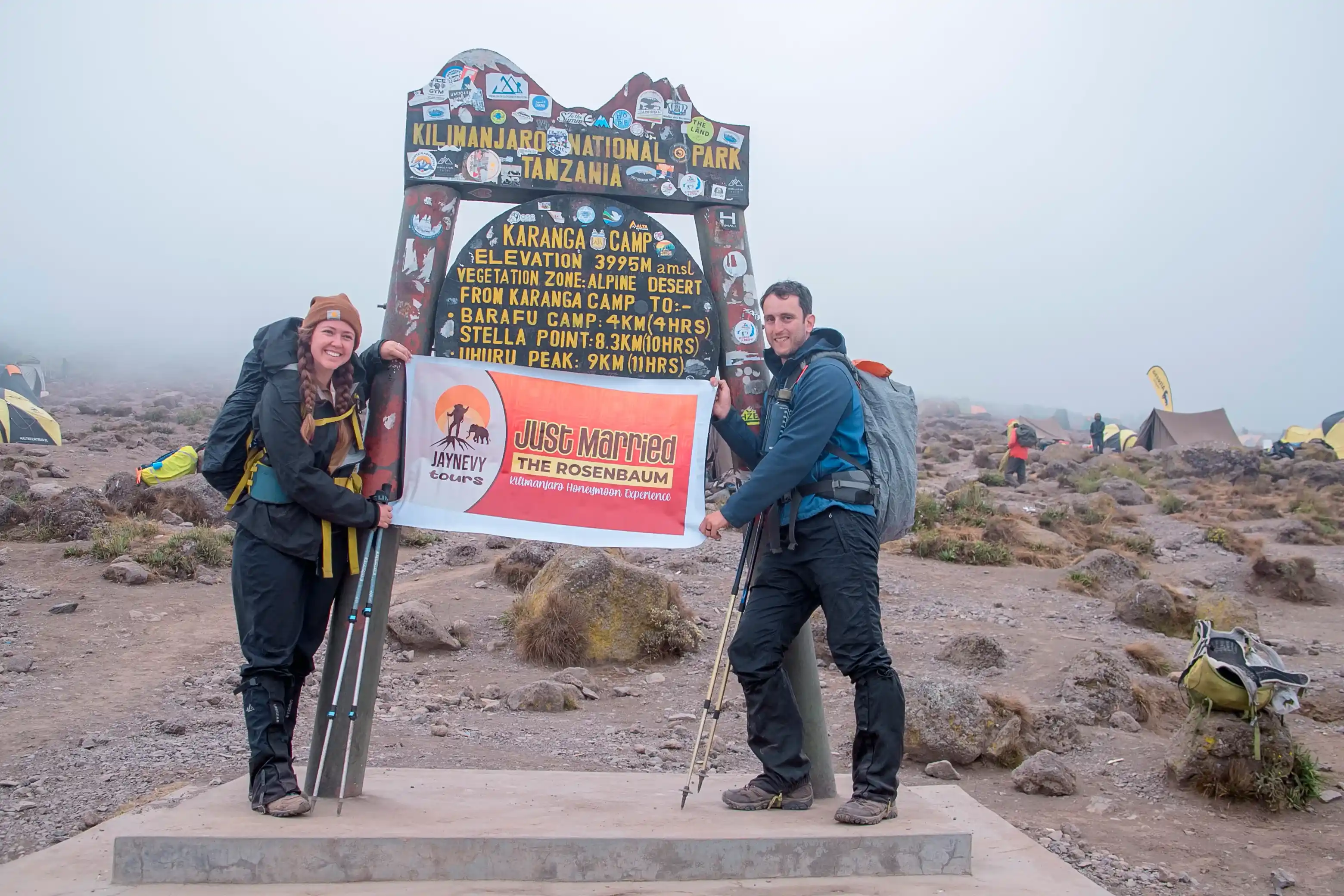
The 7-Day Machame Route is often called the most popular Kilimanjaro tour because it blends stunning scenery with a solid acclimatization profile. Starting on the lush southern slopes, this route traverses diverse terrain, including rainforests, heath, moorland, and alpine desert. It’s known for great views of Lava Tower and Barranco Wall.
While not the easiest route, Machame’s 7-day itinerary gives climbers a better chance to adjust to altitude than shorter routes. It’s slightly steeper and more physical, so good fitness helps, but motivated beginners do well with proper training. Because of its popularity, it’s often included in many of the best Kilimanjaro climbing tours.
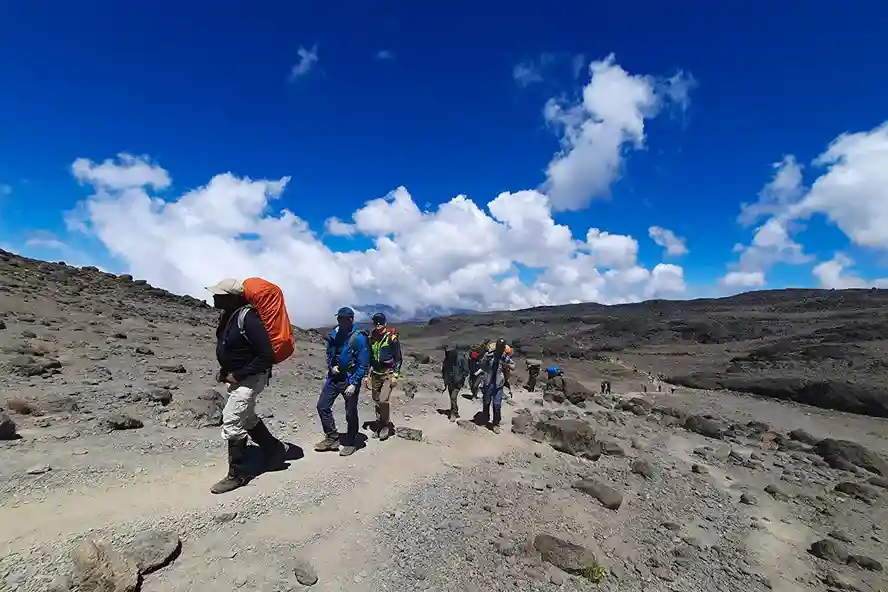
The 8-Day Lemosho Route is a top choice if your priority is maximizing summit success with strong acclimatization. This route starts on the quieter western side of Kilimanjaro, offering dramatic scenery and gradual elevation gain that supports your body’s adaptation to altitude.
Lemosho’s extended itinerary is the foundation of many of the Best Kilimanjaro climbing tour Packages because it balances challenge and comfort. Days are well-paced, helping reduce the risk of altitude sickness and giving trekkers more time to enjoy the mountain’s beauty. While slightly pricier due to logistics and length, this route is especially recommended for first-timers or anyone prioritizing a high success rate.
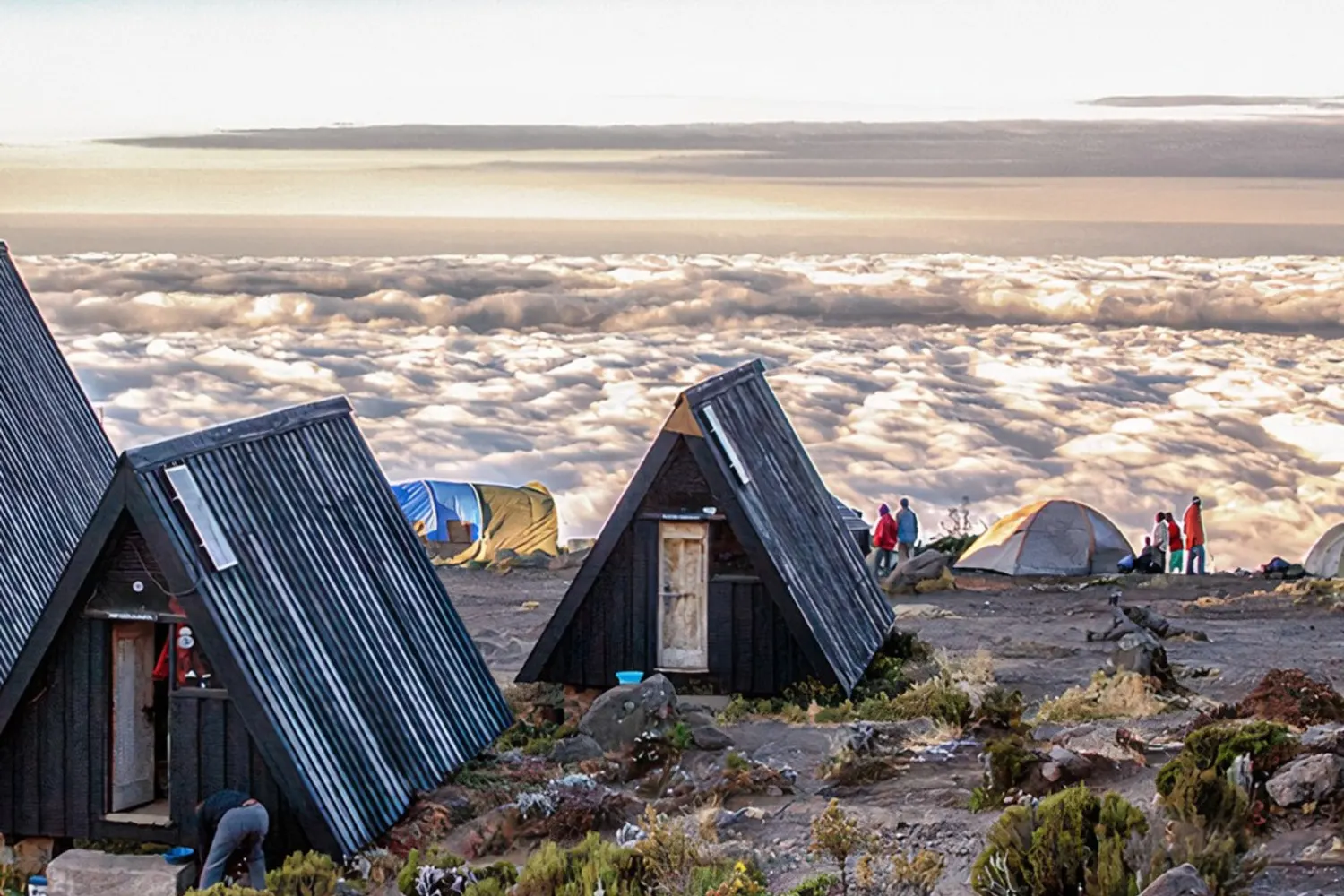
The Marangu Route, also known as the “Coca-Cola” route, is the only Kilimanjaro itinerary with hut accommodation instead of camping. This appeals to climbers who prefer sleeping indoors and carrying less gear. It’s one of the more traditional routes and is generally less demanding in technical terms.
However, because Marangu has a shorter itinerary with less gradual acclimatization, its success rates tend to be lower than longer routes. If you’re seeking one of the more affordable Kilimanjaro tour packages, this can be a good fit—especially if you like structured sleepers and shared hut facilities. It’s excellent for beginners with strong fitness, though acclimatization awareness and hydration are key.
The most recommended Kilimanjaro climbing tour Packages in 2026 focus on different routes and durations to match fitness and experience levels. Popular choices include the Lemosho Route (7–8 days) — scenic, quieter and high summit success rates, and the Machame Route (6–7 days) — classic and well-loved for views and acclimatization. The Marangu Route (5–6 days) offers hut accommodations, ideal for first-timers, while the Rongai Route (6–7 days) approaches from the north and stays drier. Longer options like the Northern Circuit (8–9 days) provide excellent acclimatization and panoramic views. Tour operators often package these routes with guides, meals, permits, and camping/hut support. Discover our carefully designed Kilimanjaro climbing tour Packages for 2026 and 2027, tailored for every type of adventurer. Whether you prefer scenic routes, higher summit success rates, or shorter trekking options, we offer both group departures and private climbs. Each itinerary is crafted for proper acclimatization, safety, and comfort, ensuring you enjoy an unforgettable journey to the Roof of Africa with expert local guides.
The 5 days Marangu route Kilimanjaro Trekking Tour Package is the most.......

6 days Marangu Route Climbing Kilimanjaro Tour Package is.....

This 6-day Kilimanjaro Rongai Route Trekking Tour Package approaches.......

This 7-day Kilimanjaro Rongai route Trekking Adventure Package....

This 7 days Kilimanjaro Lemosho route Trekking tour Package....

7 days Kilimanjaro Machame route Trekking Tour Adventure Package is.....

The 7 days Umbwe Route Kilimanjaro Climbing and Trekking Package....

This Kilimanjaro Trekking 8 days Lemosho route tour Package.....

The Best 9 days Kilimanjaro Trekking and Climbing Northern circuit route.....
| Date | Route | Duration | Price (USD) | Available Spots | Action |
|---|---|---|---|---|---|
| 02 Mar 2026 | Machame | 7 Days | $1,450 | 10 | Join Group |
| 18 Apr 2026 | Lemosho | 8 Days | $1,750 | 7 | Join Group |
| 05 Jul 2026 | Machame | 7 Days | $1,450 | 4 | Join Group |
| 22 Aug 2026 | Lemosho | 8 Days | $1,850 | 6 | Join Group |
| 15 Sep 2026 | Machame | 7 Days | $1,450 | 8 | Join Group |
| 10 Dec 2026 | Lemosho | 8 Days | $1,900 | 5 | Join Group |
Affordable Kilimanjaro climbing packages typically start around 1,200 USD per person for popular routes like Machame, Lemosho, and Rongai. At this price you’ll usually get park fees, mountain crew (guide, cooks, porters), meals on the mountain, accommodation in tents, and camping equipment. Our Affordable Kilimanjaro Packages include airport transfers and basic gear like sleeping mats. Mid-range options (around 1,500–1,800 USD) often add hot meals on descent, luggage transport, and better camping supplies. For adventure seekers planning their Affordable Kilimanjaro climb in 2026 or 2027, there are carefully crafted packages designed to make summiting Africa’s highest peak achievable without breaking the bank. These budget Kilimanjaro tours combine cost efficiency with high-quality service, experienced guides, and comprehensive support, allowing climbers to focus on the experience rather than logistics.
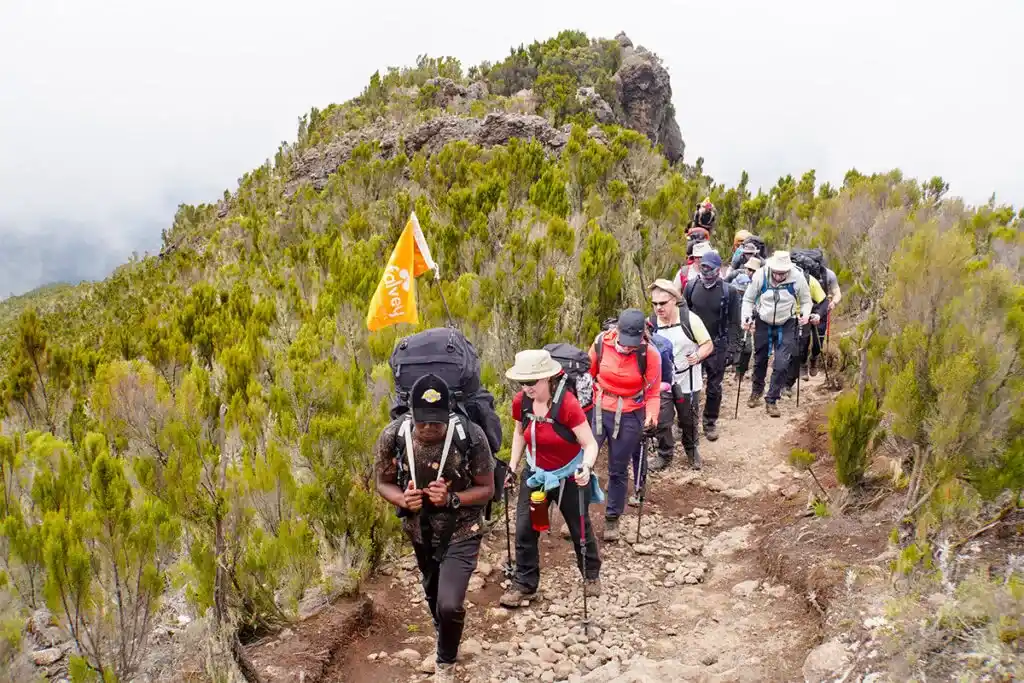
Group Joining Kilimanjaro Climbing Tour Packages allow individual travelers to join a scheduled trek with other climbers heading to the summit of Mount Kilimanjaro. Instead of booking a private climb, you share the experience, costs, guides, and support crew with a small group. This option is ideal for solo travelers, friends, or couples who want a more affordable and social adventure. You follow a fixed departure date and a chosen route, while still receiving professional guiding, camping equipment, and safety support. Group climbs create teamwork, shared motivation, and lasting friendships as you trek together toward Africa’s highest peak.
What’s included in these packages typically goes beyond just guiding. Most budget options covers:-
Some packages may even provide airport transfers, trekking gear, and training tips. With clear inclusions, climbers can plan their additional expenses—like flights, personal gear, tips, or optional excursions—without worrying about hidden costs.
Cost-saving tips for an affordable Kilimanjaro climb includes:-
Choosing local operators like Jaynevy Tours often ensures competitive pricing without compromising safety or quality.
Choosing affordable Kilimanjaro climbing tour Packages allows you to reach the summit of Mount Kilimanjaro without overspending while still enjoying a safe, well-organized adventure. The key reasons include:
Affordable tours also support local communities and responsible tourism in Tanzania. You get the same breathtaking landscapes, diverse climate zones, and unforgettable Uhuru Peak achievement—just at a smarter price. It’s the perfect balance between budget, safety, comfort, and adventure.
Ultimately, Affordable Kilimanjaro climb packages for 2026 and 2027 balance quality, safety, and budget considerations. By choosing a package that fits your needs, whether through group join options, smart planning, or cost-saving strategies, you can make your Kilimanjaro dream accessible and memorable. Prepare, plan, and take advantage of these budget-friendly options to reach Uhuru Peak with confidence and comfort.
This ensures that anyone looking for a budget Kilimanjaro tour can climb efficiently, enjoy the mountain, and make the most of their adventure without unnecessary financial strain.
Luxury Kilimanjaro climbing tour Packages are premium guided treks up Mount Kilimanjaro that offer more comfort, higher-end services, and personalized attention than standard climbs. Luxury Kilimanjaro Climbing Tour Packages Prices typically range from about $3,000 to $5,000 per person, depending on the route, season, and level of luxury.
Luxury Kilimanjaro Climbing Tour Packages usually include private or smaller group guides, better meals with fresh ingredients, more comfortable accommodations before and after the trek, higher-quality gear (like larger tents and sleeping pads), and faster acclimatization schedules. Some also offer porters who carry more of your gear, hot meals on the mountain, and chauffeur or lodge transfers.
The experience feels more relaxed and supportive than basic group climbs, with attention to pacing, comfort, and scenery, making it ideal for travelers who want adventure with added convenience and quality.
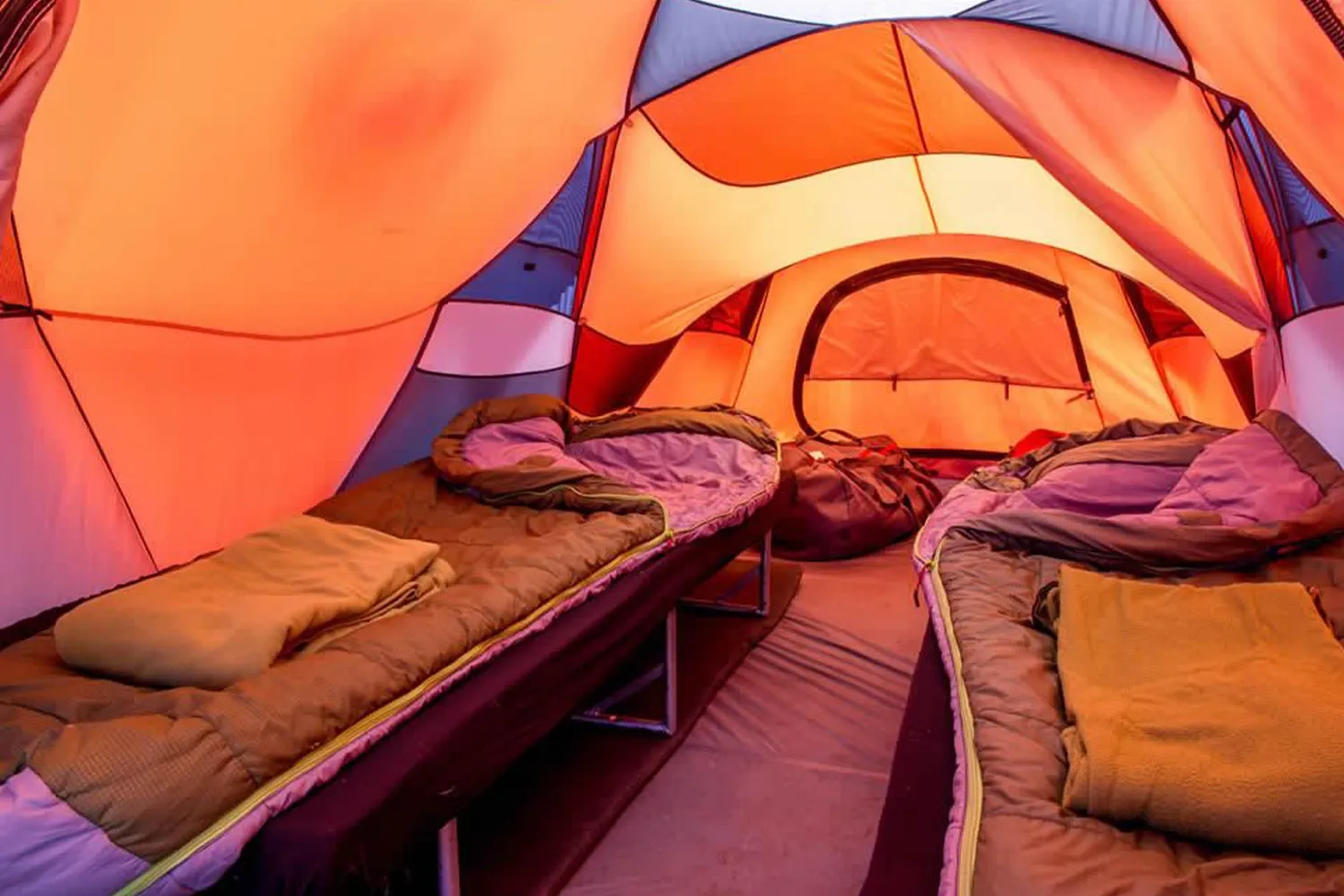
Premium camping equipment is another hallmark of a luxury Kilimanjaro experience. Expect spacious tents, high-quality sleeping bags, insulated mats, and even portable chairs to relax comfortably after a day on the trail. Camp setups are designed for both functionality and comfort, providing warmth, shelter, and a touch of elegance amidst the mountain’s rugged terrain.
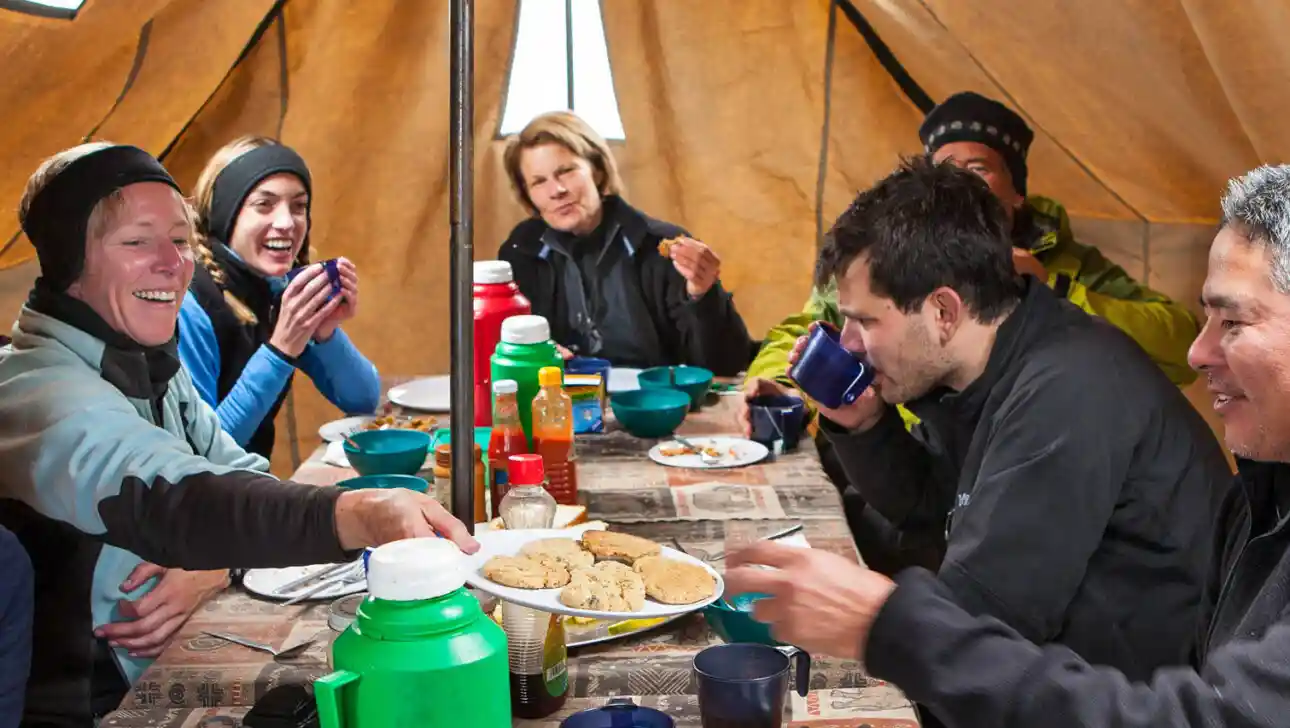
Extra comfort services further elevate the experience. Luxury climbs often include gourmet meals prepared on-site, hot water for showers, and even charging stations for electronic devices. Some packages offer specialized trekking gear, massage options, or oxygen support for added peace of mind. These amenities not only improve comfort but also contribute to a smoother, safer ascent.
Our Luxury Kilimanjaro climbing tour Packages include premium services designed for comfort, safety, and a higher success rate. You can expect experienced, certified mountain guides, a full support crew of porters and cooks, and personalized attention throughout the trek. Accommodation features spacious, high-quality tents, comfortable sleeping mats or camp beds, and private toilet tents. Meals are freshly prepared with varied menus, including vegetarian and special dietary options. Our Luxury Kilimanjaro Climbing packages provide hotel stays before and after the climb, airport transfers, and park fees. You’ll also receive safety equipment such as oxygen cylinders, pulse oximeters, and daily health checks. Our Luxury Kilimanjaro Climbing Tour Packages offer added touches like hot wash water, charging stations, and enhanced dining tents. Overall, our Luxury climbs combine adventure with comfort, making your journey up Mount Kilimanjaro more enjoyable and well-supported.
Choosing Luxury Kilimanjaro Climbing Tour Packages means enjoying adventure without sacrificing comfort, safety, or personalized service. Here are the key reasons:
Our Luxury tours allow you to focus on the incredible experience of Mount Kilimanjaro while enjoying exceptional support every step of the way.
Ultimately, a VIP Kilimanjaro trekking experience combines the excitement of reaching Africa’s highest point with unparalleled comfort, professional guidance, and thoughtful amenities. From private guides and premium camping equipment to a high staff-to-client ratio and extra comfort services, luxury tours ensure that your Kilimanjaro adventure is not only memorable but truly exceptional. For 2026 and 2027, these tours represent the perfect balance of challenge, safety, and indulgence, offering climbers the ultimate mountain experience with personalized attention every step of the way.
The cost of climbing Mount Kilimanjaro varies depending on the experience level and services included. For a Budget trek, expect around $1,200–$1,500, which usually covers park fees, basic camping, guides, porters, meals, and shared equipment. Mid-range climbs cost approximately $1,800–$2,500, offering better tents, more experienced guides, private meals, and slightly more comfortable accommodations. For a Luxury trek, prices range from $3,000–$5,000+, including high-end lodges or luxury tents, gourmet meals, experienced guides and porters, private transportation, and extra services like oxygen support or private cooks. All packages cover permits, rescue fees, and standard trekking gear support, while flights, personal insurance, tips, and rental equipment like sleeping bags or trekking poles may be additional. Choosing the right option depends on comfort preference, support level, and budget flexibility. Many travelers often ask, “How much does it cost to climb Kilimanjaro?” The answer depends on several key factors, which we break down below.
The main factor affecting the Kilimanjaro climbing cost 2026 is the route you choose. Popular routes like Machame, Lemosho, Rongai, and Marangu each have slightly different prices due to duration, difficulty, and logistics. Longer routes like Lemosho or Northern Circuit offer better acclimatization but cost more due to extra days of guiding, porters, and camping fees. Shorter routes may save on days but can reduce summit success rates due to less acclimatization.
A significant portion of your budget goes to government fees, which are non-negotiable. This includes the National Park entry, camping fees, rescue fees, and conservation fees. For Kilimanjaro climbing cost 2026, park fees are roughly $1,000–$1,200 per person depending on route and duration. These fees ensure trail maintenance, ranger support, and environmental protection, which are crucial for a safe climb.
Professional support is included in most trekking packages. This covers guides, assistant guides, and porters who carry camping gear and food. While some companies charge separately for tips, most packages include fair compensation for the crew. Investing in experienced guides increases your safety and summit success rate.
Your package usually includes all meals and accommodation on the mountain, either in tents or huts (for routes like Marangu). Food quality can vary, but most reputable operators provide balanced meals, snacks, and hot drinks to keep energy levels up throughout the trek.
Some packages include sleeping bags, trekking poles, and other essential gear. However, climbers are generally expected to bring personal items such as hiking boots, base layers, rain jackets, and gloves. Renting gear is possible, but including it in your budget ensures you are fully prepared.
Other factors affecting the Kilimanjaro climbing cost 2026 include airport transfers, accommodation in Moshi or Arusha before and after the trek, and travel insurance. While not included in the core trekking price, these elements are essential for planning a seamless trip.
Choosing between group and private Kilimanjaro tours depends on your preferences, budget, and climbing style. Group tours are cost-effective and social, allowing you to meet fellow trekkers, share experiences, and benefit from shared resources. They follow fixed itineraries and schedules, which can be ideal for first-time climbers seeking structure and support. Private tours, on the other hand, offer flexibility, personalized pacing, and attention from guides, making them perfect for experienced climbers or those seeking a tailored experience. You can adjust start times, rest periods, and sightseeing stops. While private tours are more expensive, they provide privacy, comfort, and a more intimate adventure. Ultimately, if you value community and affordability, group tours are best. If you prefer customized experiences and personal guidance, a private tour is ideal.
Group treks are the most popular option, especially for first-time climbers. These departures typically involve 8–15 climbers, led by experienced guides and supported by porters. Sharing the climb with a group provides camaraderie, motivation, and the chance to meet like-minded adventurers. Group tours are generally more cost-effective because expenses like guide fees and park permits are distributed among participants. The itinerary is fixed, which can be ideal for those who prefer structured schedules and professional support throughout the trek.
A Private Kilimanjaro climb offers complete flexibility and personalization. You can set your own pace, choose your preferred route, and schedule rest days according to your needs. Private climbs are perfect for couples, families, or small teams who want a more intimate experience. You also enjoy direct attention from guides, customized meal options, and personalized acclimatization strategies, which can improve your chances of a successful summit. While private climbs are more expensive, they provide unmatched comfort, convenience, and privacy.
| Feature | Group Kilimanjaro Departures | Private Kilimanjaro Climb |
|---|---|---|
| Cost | More affordable | Higher cost |
| Group Size | 8–15 climbers | Only your chosen group |
| Schedule | Fixed itinerary | Flexible itinerary |
| Pace | Set by the group | Your preferred pace |
| Personal Attention | Limited | Full attention from guides |
| Social Experience | High – meet other climbers | Low – private and intimate |
| Customization | Minimal | Fully customizable |
| Ideal For | Solo travelers, budget-conscious trekkers | Couples, families, experienced trekkers |
Ultimately, the choice between a Private Kilimanjaro climb and Group Kilimanjaro departures depends on your priorities. If you value cost-efficiency, social interaction, and structured support, a group trek may be ideal. If you prefer flexibility, personalized pacing, and a private experience, a private climb is the best option.
Careful planning, proper training, and selecting the right style of trek will make your Kilimanjaro adventure in 2026/2027 a safe, memorable, and life-changing journey.
The best months to climb Kilimanjaro are January to March and June to October, when the weather is generally dry and stable. These periods offer clear skies, minimal rain, and better trail conditions, improving visibility and overall trekking comfort. The months outside these windows, especially April, May, and November, experience heavier rainfall, muddy trails, and reduced chances of summit success. Climbing during the dry seasons also enhances wildlife viewing and photography opportunities. While temperatures vary with altitude, mornings and nights can be cold, so proper layering is essential. Planning your trek within these optimal months maximizes safety, enjoyment, and your chances of reaching Uhuru Peak.
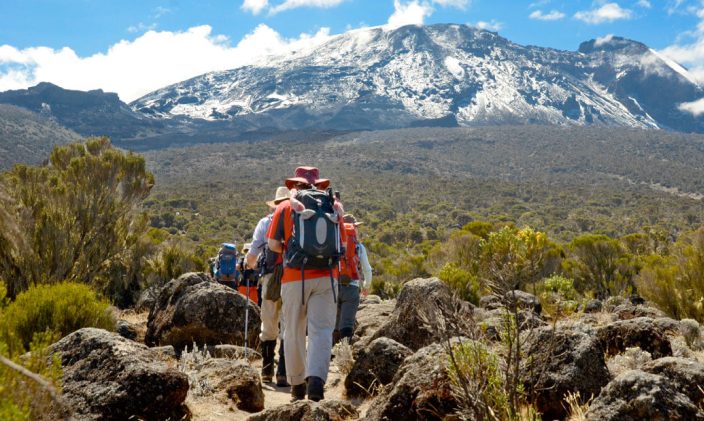
January through March falls within the dry season. During this period, the weather is generally more stable, with clear skies, minimal rainfall, and moderate temperatures, making trekking safer and more enjoyable. Trails are less slippery, and the scenic views of the mountain, surrounding valleys, and wildlife are at their best. Early-year climbs also avoid the heavier tourist periods, offering a quieter, more peaceful experience on the mountain. While nights can still be cold at higher altitudes, the dry conditions make camping and hiking easier. Choosing this season increases your chances of successful summit attempts while allowing climbers to comfortably manage layers and gear. Overall, January to March is ideal for maximizing safety, visibility, and trekking comfort.
June through October is during the long dry season. This period offers the most stable weather, with clear skies, minimal rainfall, and lower humidity, making trekking safer and more enjoyable. Daytime temperatures are generally mild, while nights can be cold, especially at higher altitudes. Trails are less muddy and easier to navigate, and the summit conditions are often clearer, increasing your chances of a successful climb. Wildlife viewing is also optimal, and the scenic vistas are at their best. Overall, June to October provides the ideal combination of weather, trail conditions, and visibility for a Kilimanjaro trek.
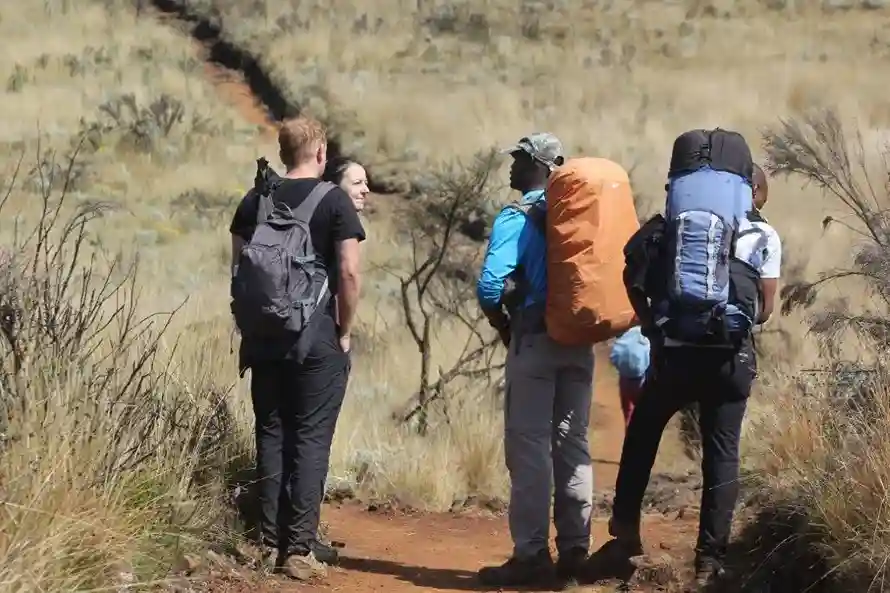
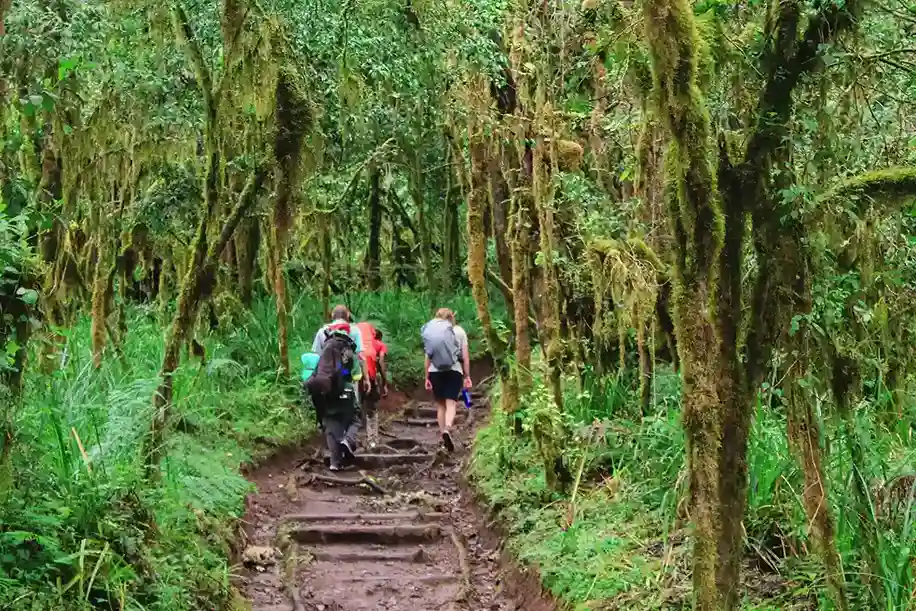
The months of March to May and November are considered the rainy seasons, with frequent showers, muddy trails, and slippery conditions, making climbs more challenging. While it’s possible to trek during these months, hikers should be prepared for wet weather and limited views. Choosing the dry seasons increases the chance of a safer, more enjoyable ascent and higher summit success rates.
By following this Kilimanjaro weather guide, you can align your trek with the safest and most enjoyable conditions. Prioritize January–March or June–October for optimal trail conditions, higher summit success rates, and breathtaking panoramic views. Being aware of rainy periods ensures you can either avoid them or prepare for a more challenging experience.
Ultimately, understanding the best time to climb Kilimanjaro in 2026/2027 empowers you to plan your trek efficiently, select the right route, and maximize your adventure. Whether you seek a clear, dry season ascent or prefer fewer crowds during the rainy months, careful timing is key to reaching Uhuru Peak safely and enjoying the full Kilimanjaro experience.
When planning your trek, understanding the Kilimanjaro success rate and safety measures is crucial. On average, about 65–75% of climbers reach Uhuru Peak, though this varies depending on the route, duration, and acclimatization. Longer routes like Lemosho and Machame generally have higher success rates because they allow more gradual acclimatization, reducing the risk of altitude sickness.
Many hikers wonder, “Is Kilimanjaro safe to climb?” With proper preparation, guidance, and awareness, the answer is yes. Safety depends on factors such as physical fitness, route choice, weather, and altitude management. Acclimatization is key—taking rest days, ascending slowly, and following the “climb high, sleep low” principle greatly improves your chances of a safe summit.
Altitude sickness prevention is another critical factor. Staying hydrated, avoiding alcohol, and listening to your body can reduce symptoms like headaches, nausea, and dizziness. Carrying medications like acetazolamide (Diamox) under medical advice can also help.
The importance of a certified, experienced guide cannot be overstated. Guides monitor climbers’ health, advise on pacing, assist in emergencies, and provide motivation and expertise that significantly improve both safety and success. Porters and support staff also ensure logistical support, carrying heavy gear and setting up camps efficiently.
By following acclimatization tips, preparing physically, and relying on professional guidance, your Kilimanjaro climb can be both safe and rewarding, maximizing your chances of standing triumphantly on Uhuru Peak.
When you book with Jaynevy Tours, our Kilimanjaro tour inclusions ensure a stress-free and fully supported climb, letting you focus on reaching the summit safely and comfortably. We provide everything you need for a smooth trekking experience, from essential logistics to daily comforts on the mountain.
Our Kilimanjaro tour inclusions cover all mandatory fees, professional support, and essential gear:
In addition to these essentials, our packages often include professional guides, porters, and support staff who handle logistics, setup, and route guidance. This comprehensive support allows climbers to focus entirely on the trekking experience without worrying about the details.
With Jaynevy Tours, our Kilimanjaro tour inclusions are carefully designed to maximize comfort, safety, and success, whether you are a first-time trekker or an experienced adventurer. Every element is covered, so you can enjoy the journey from the base to the summit with confidence and ease.
Proper preparation is essential for a successful summit. Understanding how to train for Kilimanjaro and having the right mindset and gear can make the difference between a challenging trek and an unforgettable achievement.
Combining physical conditioning, mental readiness, and well-chosen gear increases your chances of reaching Uhuru Peak comfortably and safely. Preparing carefully allows you to fully enjoy the incredible landscapes, unique wildlife, and the sense of accomplishment that comes with summiting Africa’s highest mountain.
By following these steps, your Kilimanjaro climb becomes a rewarding and unforgettable adventure.
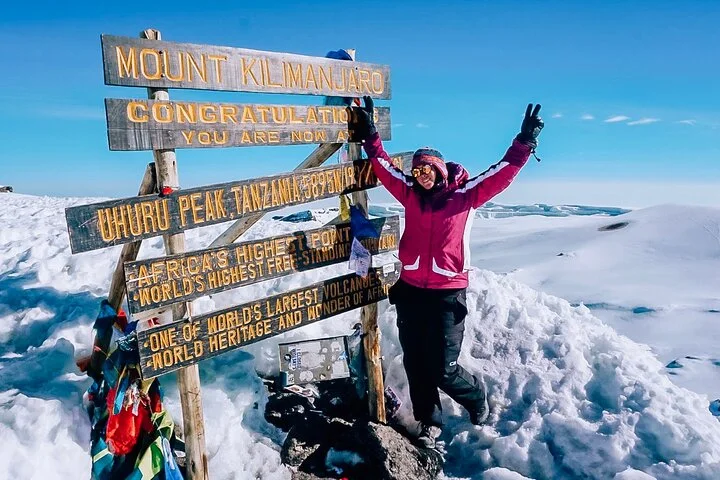
Don’t wait—book Kilimanjaro climb 2026 now to secure your spot on one of the world’s most iconic trekking adventures. Early booking ensures you get your preferred route, dates, and accommodations, whether you’re aiming for a budget-friendly group trek or a luxury private expedition.
By choosing to reserve Kilimanjaro tour early, you also benefit from personalized planning, expert guides, and access to the safest and most scenic routes. Our team at Jaynevy Tours handles all logistics, from park permits to gear recommendations, ensuring a smooth, stress-free experience.
Make your dream of summiting Kilimanjaro a reality. Book Kilimanjaro climb 2026 today and take the first step toward an unforgettable adventure that blends breathtaking scenery, cultural encounters, and ultimate achievement.
Climbing Kilimanjaro is challenging but achievable for most healthy adults. Routes vary in difficulty, with longer routes like Lemosho and Northern Circuit providing better acclimatization and higher summit success rates.
No technical climbing experience is required. Kilimanjaro is a trekking mountain, not a technical climb. However, good physical fitness, endurance, and preparation improve your chances of success.
Success rates vary by route and trek duration. Shorter routes like Marangu have 50–60% success rates, while longer routes such as Lemosho or Northern Circuit can reach up to 90%.
Booking 3–6 months in advance is recommended, especially for peak seasons (June–October and December–February).
Yes, travel insurance is highly recommended. It should cover medical emergencies, evacuation, and trip cancellations.