
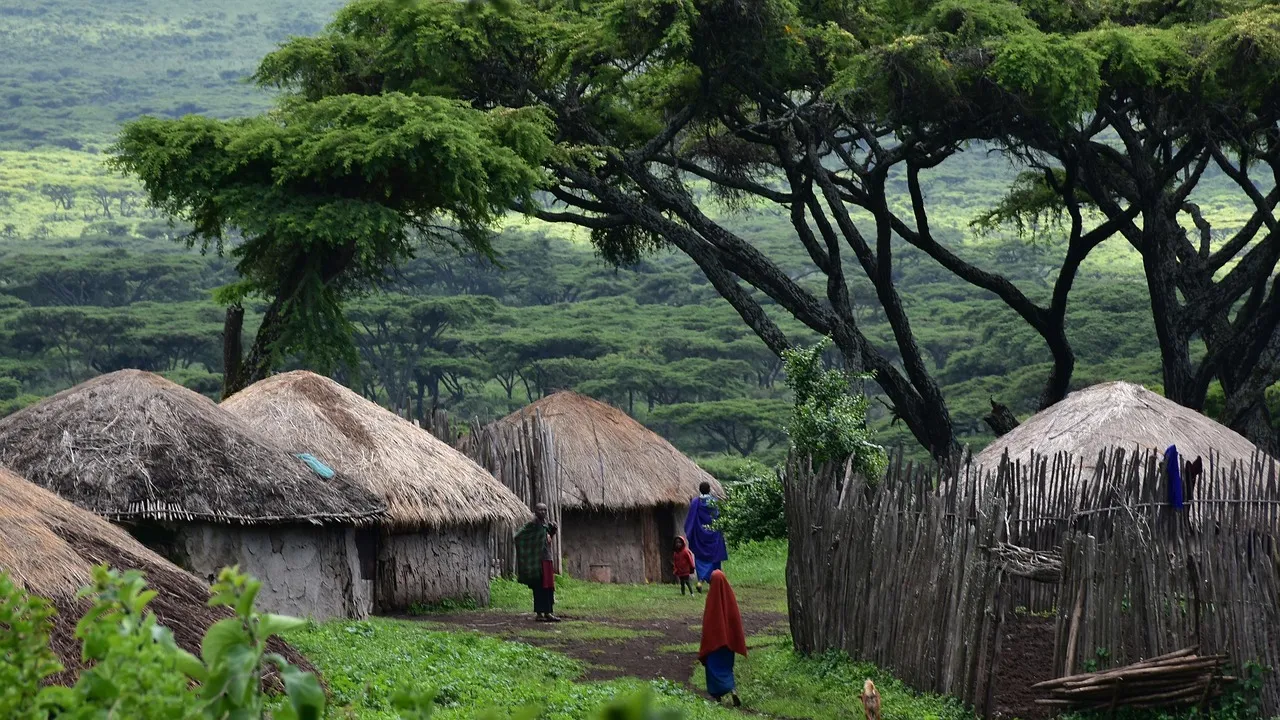
How is Tanzania for Living – Complete 2026 Expat and Local Guide
If you’re considering relocating to East Africa , you might be asking yourself, how is Tanzania for living? This guide explores what life in Tanzania is really like in 2026 — including cost of living, housing, safety, healthcare, education, lifestyle, and work opportunities. Whether you plan to retire, work remotely, or start a business, Tanzania offers a mix of affordability, natural beauty, and cultural warmth that makes it an appealing place to live.
1. General Overview – What It’s Like to Live in Tanzania
Tanzania is known for its friendly people, diverse culture, and peaceful environment. The country offers a laid-back lifestyle with access to beautiful coastlines, national parks, and mountain ranges. Cities like Dar es Salaam, Arusha, Dodoma, and Mwanza have growing infrastructure, modern housing, and active business communities.
- Official languages: Swahili and English
- Currency: Tanzanian Shilling (TZS)
- Population: Over 65 million (2026 estimate)
- Climate: Tropical on the coast, temperate in the highlands
2. Cost of Living in Tanzania
The cost of living in Tanzania is relatively affordable compared to many Western countries. However, expenses vary depending on lifestyle and location.
- Rent (1-bedroom apartment): $150–$400 per month in most cities
- Utilities: $40–$80 per month
- Internet: $20–$50 per month (fiber and mobile bundles available)
- Food and groceries: $150–$300 per month
- Transportation: $30–$100 per month (depending on use of public or private means)
Local goods and services are inexpensive, but imported products and private healthcare can raise monthly costs.
3. Housing and Neighborhoods
Tanzania offers a wide variety of housing options — from modern apartments in Dar es Salaam to peaceful family homes in Arusha or Dodoma.
- Dar es Salaam: Urban lifestyle with modern apartments and seaside neighborhoods.
- Arusha: Cooler climate and popular among expatriates and safari professionals.
- Dodoma: The capital city with new developments and affordable housing.
- Zanzibar: Ideal for those seeking coastal living and tourism-related business.
4. Work and Business Opportunities
Tanzania’s economy continues to grow steadily, creating opportunities for locals and expatriates alike. The government supports foreign investment, tourism, agriculture, mining, and technology sectors.
- Growing demand for professionals in education, tourism, construction, and ICT.
- Entrepreneurs can open small businesses with proper licenses and permits.
- Freelancers and digital nomads benefit from good internet in urban centers.
5. Healthcare and Medical Facilities
Healthcare in Tanzania has improved significantly, especially in major cities. Public hospitals are available, but many expats and middle-class locals prefer private clinics for better quality and shorter waiting times.
- Private hospitals: Aga Khan, TMJ, Regency, and Arusha Lutheran Medical Centre.
- Health insurance is recommended for long-term residents.
- Basic medications are affordable and widely available in pharmacies.
6. Education System
The education system in Tanzania includes public, private, and international schools. English is widely used as a teaching language in many institutions.
- Public schools: Affordable but sometimes crowded.
- Private and international schools: Offer higher standards and global curricula (Cambridge, IB).
- Popular cities for education: Dar es Salaam, Arusha, and Mwanza.
7. Transportation in Tanzania
Getting around in Tanzania is relatively easy and affordable. Public buses (daladala), motorbikes (bodaboda), and ride-hailing apps such as Bolt and Ping are common.
- Domestic flights connect major cities and safari destinations.
- Car ownership is common among expats and families.
- Road infrastructure is improving, especially between major towns.
8. Safety and Security
Tanzania is one of the safest countries in East Africa . Locals are welcoming, and violent crime is rare. However, like any country, petty theft can occur in busy areas.
- Be cautious in crowded places and markets.
- Use official taxis or trusted ride apps.
- Keep valuables secure and avoid displaying large amounts of cash.
9. Lifestyle and Culture
Tanzanian life is friendly and relaxed. People value community, respect, and togetherness. The Swahili culture blends African, Arab, and European influences, creating a unique and warm social environment.
- Weekends are often spent at beaches, local restaurants, or family gatherings.
- Popular foods include rice, beans, ugali, fish, and tropical fruits.
- Music and dance — including Bongo Flava and traditional beats — are part of daily life.
10. Summary – How is Tanzania for Living
In conclusion, Tanzania is a great place to live for those seeking a peaceful, affordable, and culturally rich lifestyle. With growing cities, natural beauty, and a welcoming community, it attracts both locals and expats who value quality living without high costs. Whether you’re planning a short stay or long-term move, Tanzania offers an enjoyable balance between modern comforts and traditional African charm.
For more relocation, travel, and lifestyle guides about Tanzania, visit www.jaynevytours.com.